


3153 Foley Street
Miami, FL 33176

Project Overview:
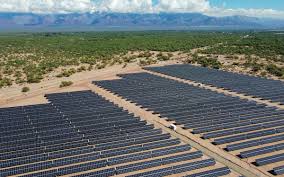
The project is structured as a revenue-generating infrastructure asset, supported by long-term contracted or semi-contracted power sales arrangements. It is engineered to deliver consistent output, operational efficiency, and predictable cash flow once commissioned.
This opportunity provides investors with exposure to tangible, income-producing renewable energy infrastructure in a region experiencing accelerating demand for grid modernization and clean energy capacity expansion.
Investment Thesis:
The Unity Scale Solar Project is supported by several structural drivers:
• Increasing regional electricity demand driven by industrialization and urbanization
• Policy incentives and renewable adoption targets across South American markets
• Declining solar module and installation costs improving margin profiles
• Long-duration asset life (20–30 years)
• Predictable operating expenses post-commissioning
Global energy transition dynamics, highlighted by institutions such as the International Energy Agency, continue to support capital deployment into renewable generation and grid infrastructure.
Project Structure:
• Asset Type: Utility-scale photovoltaic solar farm
• Energy Offtake: Power Purchase Agreement (PPA) or structured grid sales
• Operational Life: 20–30 years
• Construction Period: 7–12 months (estimated)
• Revenue Model: Contracted electricity sales with potential inflation-linked adjustments
• Distribution Profile: Periodic distributions following stabilization
Financial Snapshot
Metric: Estimated Value
Total Project Capacity: 50–100 MW
Estimated Capital Expenditure (CapEx): $45M – $80M
Target IRR: Up to 12%
Target Annual Yield (Stabilized): 9% – 15%
Investment Term: 1–5 Years
Break-Even Timeline: 2–3 Years (Projected)
Debt Component: 40% – 60% (Project-Level Financing)
Equity Component: 40% – 60%
Revenue & Cash Flow Model:
Revenue generation is based on:
• Long-term contracted electricity pricing
• Predictable generation output modeled from historical solar irradiation data
• Fixed or indexed tariff structures (where applicable)
• Low post-construction operating costs
Once operational, solar infrastructure typically exhibits stable EBITDA margins due to minimal fuel input costs and limited variable operating expenses.
Risk Profile & Mitigation
While structured to target stable infrastructure returns, investors should consider:
Construction Risk
Mitigated through fixed-price EPC contracts and milestone-based capital deployment.
Regulatory Risk
Managed via alignment with existing renewable frameworks and contracted offtake structures.
Currency Risk
Potential exposure if revenues are denominated in local currency; may be mitigated through hedging structures depending on final arrangement.
Operational Risk
Reduced by proven photovoltaic technology and third-party asset management oversight.
Strategic Portfolio Role:
The Unity Scale Solar Project may function as:
• A core renewable energy allocation
• A yield-generating infrastructure asset
• A diversification component within a broader energy portfolio
• A medium-term capital appreciation vehicle tied to operational stabilization and potential exit
Summary
The Unity Scale Solar Project represents a structured renewable infrastructure opportunity designed to deliver disciplined returns through contracted revenue generation and long-term asset performance.
Target returns of up to 12% reflect projected performance under defined operating assumptions and are not guaranteed. All investments involve risk and should be evaluated within the context of broader portfolio strategy.